


Curious how a handful of sliders and a few precise prompts can turn an idea into a vivid digital companion? The futa ai interface tutorial walks you through each control so you can shape a persona that feels real and distinct.
You will learn to tweak archetypes, refine proportions, and set personality cues to create a unique character that matches your vision. The system responds in real time, so each choice nudges the result closer to what you imagine.
By mastering the core menus, you can generate a high-quality image that captures both aesthetic and attitude. Clear controls and helpful presets make the process feel intuitive while still giving you deep creative control.
Key Takeaways
- Learn how sliders and seeds shape outcomes quickly.
- Use archetypes as a starting point, then customize traits.
- Real-time previews help you refine details efficiently.
- Understanding core mechanics boosts image fidelity.
- Mastery of the tool unlocks more creative possibilities.
Understanding the Futa AI Landscape
Trace the genre’s arc from paper doujinshi to today’s searchable model hubs. You should know how early 1990s hentai shaped the idea of futanari as characters with both male female traits. That origin still informs style choices in anime and art now.
Historical Context of Futanari
The futanari genre grew in niche circles during the 1990s. Creators explored fantasy and boundary-pushing themes in small doujinshi runs and hentai titles. This history explains many visual and narrative tropes you see in current content.
Modern AI Evolution
Modern tools and model generators changed the way users create. By 2024, platforms like Civitai hosted over 1,800 models tagged for futanari, showing rapid growth in community interest.
- Customization: You can craft a unique companion for roleplay or visual projects.
- Range: From classic anime looks to realistic renderings, models support varied aesthetics.
- Experience: Models make conversations and creative sessions feel more natural.
This guide helps you navigate models, platforms, and generators so you can use each model the right way.
Getting Started with Your Futa AI Interface Tutorial
Jump in and create your first character in seconds by typing a short text prompt into a generator on a popular platform.
Many platforms let you try image generation with no sign-up or a free trial. This means you can test models quickly and learn without commitment.
Stable Diffusion and similar models often need under 10 GB of VRAM to render a 512×512 image in seconds. That makes fast creation accessible to most users.
- Start simple: write clear prompts and iterate.
- Test features: explore roleplay presets and memory to deepen stories.
- Experiment: adjust text, seed, and settings to refine the girl you want.
“The best way to learn is by trying — small changes save time and reveal powerful results.”
This short guide helps you move from first draft to polished generation. Use available tools and platforms to shape a unique futanari creation over time.
Defining Character Archetypes and Personality Traits
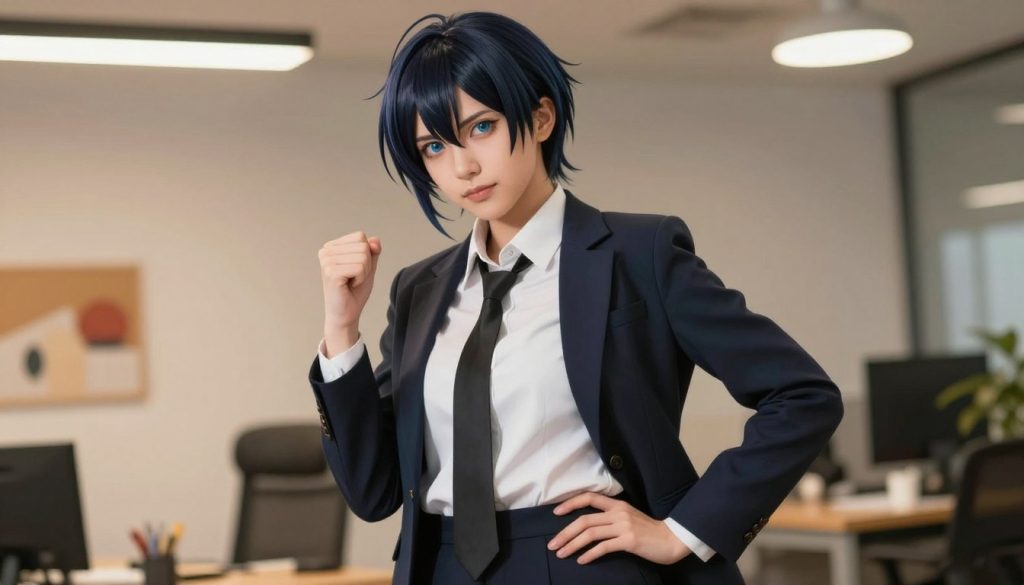
Decide on a dominant temperament first; it gives the character a reliable anchor in scenes. This simple choice directs how your character speaks, moves, and reacts during roleplay.
Start by naming the archetype: bold, shy, protective, or playful. Each choice sets expectations for behavior and dialogue.
Building Backstories
Give your character a short history that explains motivations and quirks. Keep it focused: a few lines about upbringing, key events, and personal goals.
Detailed backstories help maintain consistency across scenes. They let the character’s features and traits feel natural rather than random.
- Traits guide reactions: choose 2–3 core traits to avoid conflicting behavior.
- Scenes need anchors: reference a past event to explain choices in tense moments.
- Personality shapes voice: reserve signature phrases or attitudes for authenticity.
| Archetype | Core Traits | Backstory Hook |
|---|---|---|
| Bold | confident, direct | rose from adversity to lead |
| Shy | gentle, hesitant | protective home life, quiet growth |
| Protective | loyal, watchful | trained to guard a close circle |
By focusing on traits, backstory, and a few consistent details, your creation becomes more than a visual. It becomes a companion with a distinct voice and believable behavior.
Mastering Sliders for Physical Customization
Fine-tuning sliders gives you precise control over how the body, clothes, and light read in a generated image. Use sliders as your hands-on tools to shape a futanari character that fits your vision.
Anatomical Proportions
Move proportion sliders to set height, torso length, and limb size. Small adjustments avoid unnatural results and reduce VAE artifacts during generation.
Tip: Focus on one area at a time—face, chest, then body—to keep proportions coherent.
Clothing and Style
The clothing sliders define wardrobe density, fabric, and accessories. Pair those controls with clear prompts to lock in a chosen style, from anime to realistic art.
- Wardrobe sliders: quick identity for your character.
- Detail sliders: trim, patterns, and small features.
Lighting and Mood
Adjust lighting sliders for contrast, warmth, and cinematic mood. Good lighting hides minor decoding artifacts and improves final images.
| Slider | Effect | When to use |
|---|---|---|
| Proportion | Body balance | Framing a consistent voice |
| Clothing | Style identity | Defining visuals |
| Lighting | Mood & clarity | Reducing artifacts |
Mastering these controls lets you refine features and traits so the final image matches your prompts and intended content.
Utilizing Seeds for Consistent Image Generation
A saved seed pins the generator’s initial noise, letting you reproduce the same image again and again. This simple trick is one of the most useful features when you want a steady look for a futanari character.
Save the seed number and reuse it with the same prompts and settings. Doing so returns the same starting pattern, so your companion’s face, pose, and proportions stay familiar across sessions.
Combine seeds with memory on your platform to lock visual details while you evolve personality or storylines. This keeps the girl consistent in roleplay without forcing identical outputs every time.
- Consistency: Seeds prevent wildly different images for the same character.
- Reproducibility: Save time by reloading a seed instead of re-tweaking sliders.
- Story continuity: Use seeds plus memory to maintain a stable visual identity.
| Use | Benefit | When to apply |
|---|---|---|
| Fixed seed | Repeatable generations | Character creation, series images |
| Seed + memory | Stable look, evolving voice | Long-term roleplay |
| Changing prompts | Refine details without losing base | Iterative creation |
Mastering seeds makes your generation workflow more professional. You spend less time chasing looks and more time on story and creation.
The Role of Emotional Depth in AI Companionship
When a character remembers and adapts, your sessions grow richer and more believable over time.
Emotional depth is what turns a simple futanari model into a true companion. It lets your conversational partner respond with nuance and care.
Prioritize memory and adaptive responses so your character can learn your preferences and tone. This builds a consistent sense of presence across conversations about shared fantasy scenes.
- Growing interactions: responses evolve as your companion learns from past exchanges.
- Consistent roleplay: remembered events keep scenes coherent and personal.
- Emotional support: the character can shift between playful flirting and serious comfort.
The way your companion stores and uses memory shapes the whole experience. Over time, the depth you build reflects the history you create together.
“Emotional intelligence lets a digital companion feel authentic and relevant to your needs.”
Advanced Prompt Engineering for Futanari Art
Tight prompts and intentional weights are the fastest way to get predictable futanari images that match your vision.
Weighting Keywords
Use weighting syntax like (keyword:1.2) to nudge the model toward specific traits. Emphasize anatomy, face, or clothing with small adjustments.
Keep weights modest. Overweighting can distort proportions or produce artifacts during generation.
Negative Prompting
Negative prompts remove common errors. List exclusions such as “extra limbs,” “blurry face,” or “odd hands” to improve output clarity.
Watch the CLIP tokenizer limit (75 tokens). Long prompts may get truncated and lose intent.
- Tip: Iterate with short, focused prompts to avoid hitting the token cap.
- Tip: Combine positive weights and negative lists for cleaner nsfw art and anime styles.
| Use | Benefit | When |
|---|---|---|
| Weights | Prioritizes traits | Detail-focused creation |
| Negative prompts | Removes artifacts | Final polish |
| Short prompts | Consistent generation | Series or character sets |
“Balance emphasis and exclusion — that balance is how you get the image you imagined.”
Navigating Privacy and Safety Features
Protecting your privacy is the first step when you explore sensitive NSFW material online.
Most reputable platforms offer clear privacy features that let you control who sees your creations. Learn how sharing defaults, account visibility, and storage settings work before you upload anything.
These safety features are designed to protect users and keep your sessions confidential. Use private folders, disable public galleries, and turn off automatic backups if you want tighter control.
When working with futanari content, check how the platform handles retention and deletion. Read the privacy policy to confirm data is stored or removed according to your expectations.
- Review sharing: set creations to private by default.
- Manage access: use passwords or invite-only links.
- Audit storage: know how long files are kept and where.
“Maintaining privacy lets you focus on creativity without worrying about exposure.”
Understanding these features gives you peace of mind. That lets you enjoy the creative process and keep experiments secure and private.
Comparing Top Platforms for Your Creative Needs
Choosing the right platform shapes both the visuals you get and the roleplay experience you enjoy.
BetterWaifu is praised for its clean anime art and fast image generation. It works well if you want stylized futanari images with consistent, bright visuals.
Seduced.AI gives advanced customization for both realistic and anime styles. You can tweak model settings and get detailed images or mixed visuals that suit complex characters.
Crushon.AI is popular for zero-filter NSFW chat and open roleplay interactions. If deep, unrestricted scenes matter, its chat features keep conversation fluid while you refine a companion’s voice.

- Balance: test generators and memory to find the right blend of image generation and dialogue.
- Freedom: check each platform’s stance on nsfw content before committing.
- All-in-one: many users prefer platforms that combine text interactions with high-quality images.
| Platform | Strength | Best for |
|---|---|---|
| BetterWaifu | Anime art, fast images | Stylized characters |
| Seduced.AI | Deep customization | Realistic & mixed visuals |
| Crushon.AI | Unrestricted chat | NSFW roleplay |
“Try multiple models to see which platform gives you the best balance of features, ease, and creative flexibility.”
Troubleshooting Common Generation Artifacts
When a generation looks off, small prompt tweaks usually fix the biggest issues fast. Artifacts like extra limbs, warped faces, or odd hands are common when a model struggles with complex anatomy.
Start by adding clear negative prompts to exclude problems: list “extra limbs,” “blurry face,” or “mismatched fingers.” Adjust weights on key words so the generator favors the traits you want.
The standard denoising range for Stable Diffusion is 20–50 steps. Try higher steps for detail, lower for mood. It only takes a few seconds to re-run and see results, so iterate quickly.
- Use inpainting to fix a face or limb without regenerating the whole image.
- Apply modest keyword weights to reduce distortion.
- Save seeds so successful generations repeat for character consistency.
| Issue | Quick Fix | When to Apply |
|---|---|---|
| Extra limbs | Negative prompts + inpainting | Final polish |
| Distorted face | Increase steps + targeted prompt | Portraits |
| Clashing style | Weight style keywords | Series images |
“Troubleshooting is part of creation — small fixes lead to much cleaner art and a better roleplay experience.”
Conclusion
Small, targeted changes in prompts and settings yield big improvements in output and continuity. Use clear prompts to guide each run and save settings that work. This helps you repeat good results fast.
Focus on the visual goals for your art. Adjust sliders and test a model until proportions and style match your intent. That steady approach improves every generation.
Keep privacy and content control in mind as you build a companion. Seed management and memory let you preserve identity while you refine personality and story.
Start experimenting with different archetypes and generators to find what fits your workflow. With deliberate steps, your creation becomes more consistent, secure, and engaging over time.
FAQ
How do archetypes and sliders work inside the AIFutaPorn interface?
Archetypes act as starting templates for characters, giving you a base personality, body type, and animation style. Sliders let you fine-tune features like proportions, clothing, and pose intensity. Use a template, then nudge sliders in small steps to keep results natural and consistent.
What should you know about the historical context of futanari when creating characters?
Understanding origins and cultural roots helps you design respectful, informed characters. Study classic manga and anime references alongside modern reinterpretations to balance authenticity and creative freedom. This background also guides tone and visual choices.
How has modern image-generation technology evolved for this niche?
Generative models improved in realism, speed, and control. You can now specify fine-grained visual traits, lighting, and facial expressions. Newer tools also offer memory features and model selection so you can reproduce characters across sessions.
What are the first steps when getting started with the interface?
Start with a preset archetype, pick a generation model, and set a seed for repeatability. Experiment with a few prompts and a handful of sliders—focus on tone of voice, body proportions, and wardrobe to find the look you want before iterating.
How do you create believable backstories for your characters?
Keep backstories concise and focused: motivation, key traits, and a few striking details. Tie visual elements to personality—scars, clothing, or accessories should reflect history. Short, consistent notes help the platform maintain character continuity.
What should you consider when adjusting anatomical proportions?
Aim for balance and avoid extreme settings that break realism. Use proportional sliders for height, limb length, and torso size, and preview at each step. If the generator offers anatomical guides or mesh overlays, use them to check posture and silhouette.
How do clothing and style sliders affect image output?
Clothing and style sliders control fabric type, coverage, and era or genre references. Small adjustments can change perceived age, setting, or tone. Combine these sliders with keyword prompts for accessories and patterns to refine the final look.
What role do lighting and mood settings play in final images?
Lighting sets the scene and emotional tone—soft warm light creates intimacy, high-contrast cool light adds drama. Use mood presets or manual controls for direction, intensity, and color temperature to align visuals with narrative intent.
Why are seeds important for consistent image generation?
Seeds lock the random element of generation, so the same prompt and settings produce similar results. Save seeds alongside character notes to reproduce or iterate on specific poses, facial expressions, or camera angles reliably.
How can you add emotional depth to AI companionship features?
Define consistent personality traits, memory cues, and conversational styles. Use short, repeatable prompts for emotional responses and save key interaction lines. This ensures continuity across sessions and makes conversations feel more authentic.
What advanced prompt techniques improve artwork quality?
Use keyword weighting to emphasize important traits and negative prompting to exclude unwanted elements. Combine concise descriptive phrases—face, pose, clothing, lighting—with model-specific tokens to maximize fidelity while keeping prompts readable.
How does weighting keywords change generation outcomes?
Weighting raises or lowers the influence of specific words in a prompt. Increase weight for critical traits like facial expression or silhouette; decrease weight for minor details. Proper weighting prevents accidental emphasis that distorts the composition.
What is negative prompting and when should you use it?
Negative prompting lists elements you want to avoid, like artifacts, incorrect anatomy, or unwanted backgrounds. Use it when the generator repeatedly adds undesired features; pairing negative prompts with strict slider limits improves results.
What privacy and safety features should you check before creating content?
Verify platform moderation policies, account privacy options, and local legal guidelines. Use anonymous accounts if needed, disable sharing features you don’t want, and review content filters to ensure you comply with terms of service and community standards.
How do you compare top platforms for your creative needs?
Evaluate model quality, customization depth, speed, export options, and privacy controls. Look for platforms with robust community support, versioning, and the ability to save presets. Trial runs and sample generations reveal which tool fits your workflow best.
What common generation artifacts should you watch for and how do you fix them?
Typical artifacts include malformed hands, extra limbs, or inconsistent facial features. Fixes include tightening anatomical sliders, adding corrective negative prompts, switching models, or rerolling with an adjusted seed until the issue resolves.
How do you keep characters consistent across multiple images or sessions?
Save detailed character sheets: archetype, exact slider values, seed, and prompt text. Use model presets and memory features when available. Consistent lighting, camera angles, and wardrobe choices also help maintain continuity.
Are there legal or ethical considerations when creating explicit content?
Yes. Follow platform rules, respect copyright and likeness rights, and avoid creating content that sexualizes minors or non-consenting figures. Familiarize yourself with local laws and the terms of service of hosting or sharing platforms before publishing.
Which features speed up the creative workflow?
Presets, batch generation, seed reuse, and export templates save time. Use style libraries and saved prompts to replicate successful combinations. Integration with image editors and version control also streamlines iterative work.
How can you improve realism in facial features and expressions?
Use focused facial prompts, increase detail weight on eyes and mouth, and apply subtle lighting that reveals contours. Reference images and face-rig presets help the model capture realistic muscle tension and micro-expressions.
What tools help you refine poses and anatomy beyond sliders?
Pose libraries, skeleton overlays, and third-party editors like Blender or Clip Studio can refine posture and joint alignment. Exporting a base render and editing in an image editor fixes small anatomical errors without rebuilding the whole scene.
How do you choose between male, female, and mixed-gender character generation settings?
Select the gender profile that matches your character’s design goals, then fine-tune secondary sexual characteristics with sliders and keywords. Mixing traits is possible—use careful weighting and anatomy controls to avoid unnatural blends.
What are best practices for saving and organizing your character assets?
Keep a structured library with folders for archetypes, presets, seeds, and final exports. Name files with key metadata (model, seed, sliders) and maintain a short README for each character to streamline future edits and collaborations.
How do you approach roleplay and conversational scenes using character models?
Define a clear character voice, set boundaries, and create short scene prompts. Use memory slots for recurring facts and reactions. Keep exchanges concise to maintain coherence and use platform tools to log important dialogue cues.
Can you reproduce a single character across different art styles?
Yes. Save the character core (seed, sliders, key prompts) and pair it with style presets—anime, realistic, painterly. Adjust lighting and material sliders to fit the new style while preserving defining features like face shape and posture.
What should you do if a generation consistently fails for a character?
Troubleshoot by simplifying the prompt, resetting sliders to defaults, changing the seed, or switching models. Rebuild the character in stages—face first, then body, then clothing—so you can isolate and fix the problematic element.