

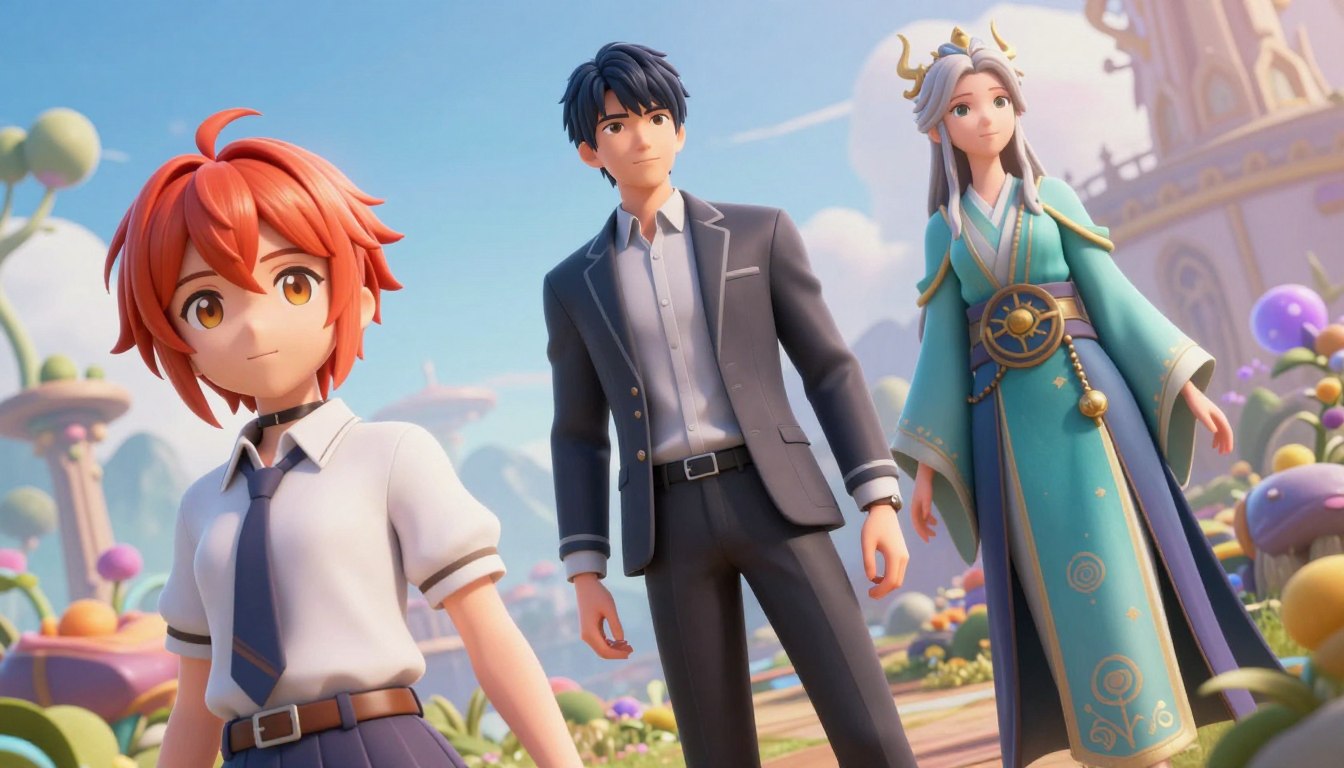
Can a single character blend anime charm, 3D realism, and fantasy lore—and still feel like your own?
You are about to explore how a concept that began in Japanese folklore and rose in popularity through artists like Toshiki Yui now lives in modern creative tools.
This guide shows how to choose an archetype that matches your narrative goals. You will learn to tell apart anime-inspired art, realistic 3D models, and fantastic designs so your chosen futa character fits the scenes you imagine.
Expect clear details on the platforms and generators that shape visuals, video outputs, and interactive scenarios. We also cover crucial features like memory, voice integration, and privacy so you can pick the right environment for ongoing roleplay or content creation.
By mastering prompt techniques and the right tools, you keep creative control and get consistent results that match your vision.
Key Takeaways
- Learn how anime, 3D, and fantasy archetypes differ and what suits your project.
- Understand essential tools and generators that produce high-quality visuals and video outputs.
- Evaluate platforms by features like memory, voice, and privacy to protect your work.
- Use practical prompt tips to achieve consistent character details and scenarios.
- Balance realism and aesthetic to create a unique futanari character that fits your narrative.
Understanding the Futanari AI Landscape
From 1990s manga roots to current generators, the futanari scene has grown into a complex ecosystem.
Toshiki Yui’s work helped bring these characters into mainstream adult art, and that legacy shapes what you see today.
Modern platforms offer specialized tools that create uncensored futa content across still images, chat threads, and video outputs.
- How a platform handles privacy and anonymity for users.
- Memory and context retention to keep long roleplay scenarios coherent.
- Voice and video features that enhance immersion and realism.
Top generators vary in reliability. Some deliver consistent results and fine details across sessions. Others impose strict limits or lose context mid-scene.
Knowing these differences helps you pick the right platform for your goals and avoid common pitfalls when building characters and ongoing content.
Why Futa Archetypes Matter for Your Vision
An archetype does more than look good; it defines motives, reactions, and the emotional weight in each interaction.
Defining Your Creative Goals
Start by naming the feelings you want from a scene. Do you aim for tension, tenderness, or playful banter?
List must-have elements such as visuals, voice, and video outputs. This helps you choose the right platform and generators.
OnlyChar AI’s library of over 40,000 characters can speed discovery when you need varied references for content and character details.
Matching Personality to Body Type
Match personality traits to physical design so interactions feel real. A dominant persona fits different proportions than a shy one.
Candy AI shines at persona blending, letting you craft a custom futa character that evolves across scenarios.
“The right customization makes outputs consistent and believable.”
Focus on customization and memory features when you need long-term roleplay. Check platform limits, privacy, and the small details that shape final results.
Conducting a Comprehensive Futa AI Style Comparison
Hands-on testing is the fastest way to judge which platform fits your creative needs. Run brief scenarios and record how each service handles anatomy, shading, and motion.
Focus on core elements: memory, privacy, voice, and video. These features shape long-term roleplay and the trustworthiness of your content.
Compare generators side-by-side for consistent outputs. Note how often details shift between scenes and whether tools enforce strict limits that block progress.
- Test visuals and video outputs with identical prompts.
- Check memory retention across multi-scene sessions.
- Evaluate voice options for tone, sync, and variability.
- Audit privacy controls and export limits before committing.
| Platform | Visual Quality | Memory & Privacy | Voice/Video |
|---|---|---|---|
| Generator A | High detail, anime-leaning | Session memory, basic privacy tools | Limited voice, basic video export |
| Generator B | Realistic 3D renders | Persistent memory, stronger privacy | Advanced voice, timed video clips |
| Generator C | Fantasy textures, bold colors | Short memory, opt-in privacy | Voice options limited, scene stitching |
Use this method to compare results across platforms. Informed testing saves time and ensures your futa or futanari content matches the long-term vision you want to create.
Exploring Anime Aesthetics in AI Generation
Anime aesthetics shape more than looks; they set the mood and motion for every scene you create.
The anime approach influences line work, color palettes, and how characters read in motion. You can use specialized generators to lock in those cues so your futa character feels consistent across scenes.
Stylistic Nuances in Hentai Art
Platforms like BetterWaifu are known for fast, high-quality image generation that captures classic anime anatomy and expression. That makes it easier to produce futanari art with familiar visual cues.
Prompts that call out line weight, palette choices, and anatomical markers help generators reproduce the look you want. Use concise descriptors to keep outputs aligned with your vision.
Privacy and memory features matter when you revisit characters across scenarios. Choose a platform with secure settings so your content stays private while outputs remain consistent.
“The right prompts and platform features create repeatable, believable results.”
- Pick generators that preserve character proportions.
- Specify palettes and line work in prompts.
- Prioritize platforms with privacy and session memory.
The Appeal of 3D and Realistic Futa Models
Realistic 3D models bring tactile weight and motion to characters you want to feel present in a scene. They add depth that lifts your futa content from flat art into believable interaction.
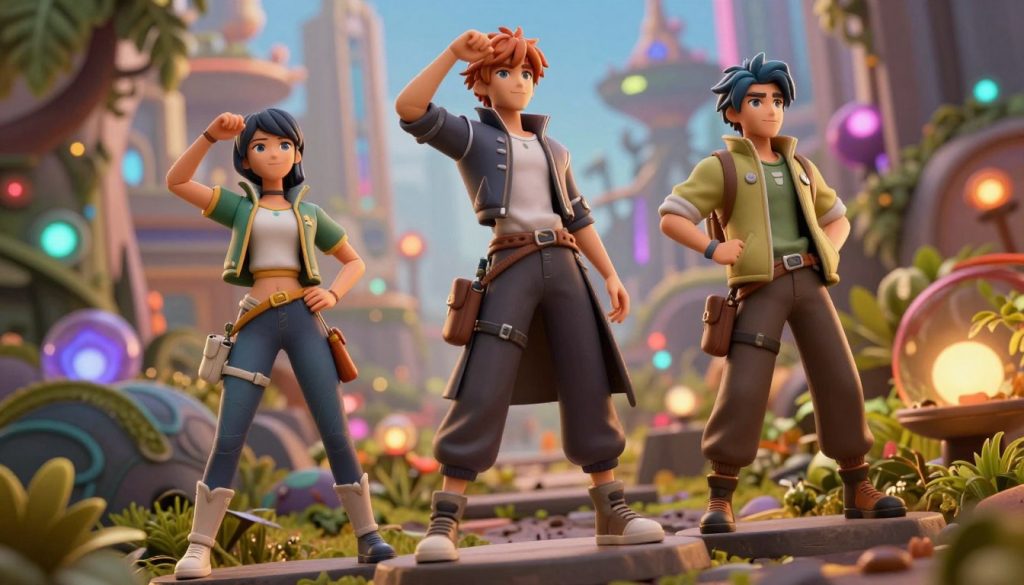
Platforms like Lovescape AI combine advanced image generation with image-to-video tools. This lets you turn a single image into a moving tease or a short clip. The result is visuals that read like filmed scenes rather than static images.
When you focus on realistic models, you gain finer control over anatomy, texture, and lighting. That control improves the outputs across scenes and scenarios where consistent results matter most.
“High-fidelity generation makes roleplay scenes feel cinematic and immediate.”
- Immersion: lifelike motion and voice sync elevate roleplay.
- Detail: precise anatomy and texture in images and video.
- Privacy: many 3D platforms offer secure storage and memory options.
| Feature | Benefit | Use Case |
|---|---|---|
| Image-to-video generation | Dynamic visuals | Animated teases and short scenes |
| High-fidelity generator | Accurate anatomy | Consistent character outputs |
| Memory & privacy | Secure, repeatable sessions | Long-term roleplay and content storage |
Diving Into Fantasy and Supernatural Archetypes
Supernatural themes give your futa characters room to act beyond human rules and spark new plot directions.
Fantasy archetypes let you fold magic, myth, and otherworldly elements into your content. You can add elven elegance, demonic edges, or primal nature magic to a single character.
Specialized generators and tools help you craft complex futanari designs. Use precise prompts to lock in features like glowing sigils or ethereal wings. These features improve art fidelity and keep visuals coherent across images and short video clips.
Creative freedom is the main draw. You can build a harem of supernatural beings or a solitary, powerful companion. The right platform handles layered attributes and keeps scenes consistent.
Security matters: choose platforms with strong privacy and secure storage so your imaginative content stays private. Pick generators that support fine-grain control when you need intricate elements and intense roleplay scenarios.
| Capability | Why it matters | Best use |
|---|---|---|
| Specialized generators | Render complex mythic traits | High-detail character art |
| Video tools | Animate supernatural motion | Short clips and teasers |
| Privacy controls | Protect sensitive content | Long-term projects and roleplay |
Evaluating Platform Features for Customization
Platform capabilities determine whether your character will read as intended across images and audio. When you pick a platform, check how its features support precise edits to body proportions, facial expressions, and sound. These elements shape the final content and how immersive your scenes feel.
Body Sculpting Tools
Look for granular controls. Body sculpting tools should let you adjust proportions, musculature, and subtle anatomy markers without breaking consistent image generation.
Good generators include sliders, presets, and per-object edits. That helps you keep futa or futanari characters stable across multiple images. Favor platforms that export high-quality image files for further editing.
Voice and Audio Integration
Voice brings a character to life. Platforms with voice options let you pick tone, pitch, and pacing so audio matches the visual design.
Check whether the platform syncs voice with short video clips. Smooth integration saves time and improves the believability of your content across scenarios.
Compare options for custom samples, text-to-speech voices, and simple audio overlays. The right mix of tools keeps your workflow efficient while giving you the control you need.
The Role of Memory in Ongoing Roleplay
When memory works well, your ongoing roleplay gains emotional weight and believable history.
Memory keeps your futa companion consistent. It records past choices, inside jokes, and established dynamics so each session builds on the last.
Platforms like FantasyGF offer up to six months of chat memory. That long retention helps your futanari stories stay coherent and deep over time.
Without reliable memory, chat threads reset. You may repeat preferences and lose the sense of growth in characters. That weakens emotional impact and makes content feel flat.
- Memory lets your partner recall plot beats and personal quirks.
- Good memory features let you focus on creative output rather than repeating rules.
- Top generators treat shared history as part of the interactive process.
“Memory turns isolated prompts into a shared story you both shape.”
| Capability | Why it matters | Practical result |
|---|---|---|
| Long chat memory | Maintains continuity | Richer futa roleplay over months |
| State tracking tools | Remember preferences | Less re-explaining, more immersion |
| Session exports | Save history | Reuse scenes for visuals and video |
Balancing Visual Quality with Textual Depth
When visuals and chat work together, your futanari characters gain depth and staying power.
High visual quality sets the stage. Crisp art and clear textures make scenes read instantly.
Strong text gives context. Thoughtful chat and descriptive text create emotional weight and motive.
Look for generators and tools that let you switch between image edits and chat without losing context. That keeps a character consistent across content types.
“Balancing images and dialogue is the fastest path to believable characters.”
- Prioritize platforms that save chat history and exports.
- Use concise text prompts to lock anatomy and mood.
- Match visuals to the tone you set in chat to avoid dissonance.
| Element | Why it matters | Practical tip |
|---|---|---|
| Visuals | Immediate scene clarity | Use high-res images and consistent palettes |
| Text / Chat | Drives emotion and backstory | Save prompts and reuse character notes |
| Tools & Generators | Keep formats aligned | Choose platforms with integrated workflows |
Navigating Free Tiers and Premium Access
Choosing the right mix of free access and paid features changes how fast you can iterate on character ideas. Start by testing generators on a free tier so you learn limits without spending money.
Maximizing Value from Limited Credits
Use credits strategically. Spend trials on core customization and chat that lock in anatomy and persona. Reserve premium upgrades for higher-resolution art, longer memory, or uncensored results.
- Try Flirton.ai first if you want broad, no-cost access to futanari content and fast testing.
- Compare platforms for which tiers unlock features you actually need.
- Save credits for final exports or session backups.
| Tier | Typical Limits | When to Upgrade |
|---|---|---|
| Free tier | Basic credits, low-res images, short chat memory | When you need higher quality or persistent history |
| Mid tier | More credits, better exports, limited customization | When you start producing regular content |
| Premium | High-res art, longer memory, uncensored options | For polished projects and longer roleplay runs |
Plan ahead so free tiers become a learning stage, not a bottleneck. By stretching limited credits and comparing platform tiers, you get the most value before committing to paid access.
Privacy Considerations for NSFW Content
Privacy decisions shape how freely you can experiment with mature character creation. When you generate futa or futanari content, check how a platform handles data and user identity.
First, read the privacy policy. Look for logging practices, image retention, and chat storage. Some platforms save history by default; others offer deletion on demand.
Prefer platforms that support pseudonyms, secure billing, and end-to-end encryption. These features reduce the risk that your creations or account info reach others.
- Review export and deletion options: confirm you can remove images and chat history.
- Compare free vs. paid access: free tiers may log more data or share meta information with partners.
- Check user controls: two-factor login and per-session privacy settings add protection.
“Choose services that let you control what stays and what goes.”
Protecting identity keeps your creative work safe. Take time to vet generators and tools before you commit credits or build long-term projects.
Crafting Effective Prompts for Your Futa Character
A well-built prompt turns a sketch of a concept into reliable image generation and engaging chat. Use a short opening sentence that states the core of your idea. Then add precise anatomy and mood notes so generators produce consistent results.
Descriptive Anatomy Keywords
List exact anatomy terms you want the image generator to follow. Name proportions, posture, and defining marks.
Example: “athletic build, hourglass hips, narrow waist, defined shoulders, soft facial features.”
Setting the Scene and Mood
State the atmosphere and interaction tones in one line. Include lighting, background, and voice cues for chat so text and images match.
Example: “warm twilight, soft smiles, playful banter, muted color palette.”
Using Negative Prompts
Use negative prompts to remove errors and unwanted artifacts. Say what to avoid: deformed limbs, extra fingers, blurry faces.
Combine positive and negative cues. Over time you’ll build a reusable library of prompts for custom futa characters and varied content.
| Prompt Type | Purpose | Quick Tip |
|---|---|---|
| Anatomy keywords | Define body and face | Keep terms specific and short |
| Mood & scene | Align image and chat tone | Include lighting and emotion |
| Negative prompts | Remove artifacts | List common problems explicitly |
Managing Anatomy and Proportions in AI Outputs
Small prompt tweaks often fix the biggest anatomy problems in generated character art.
Start simple: tell the generator exact proportions and a single body type you want. Use clear anatomy words and repeat the core trait once to lock it into image generation.
Professional tools like PornWorks AI help by supporting 4K output so you can catch micro errors before final export. High-resolution renders reveal proportion issues that low-res previews hide.
Refine regularly. Adjust prompts in small steps. Tiny text edits often yield big improvements in how a character reads.
- Prefer models trained on adult anatomy for consistent futanari results.
- Use negative prompts to remove extra limbs or deformities.
- Save prompt versions so you can reproduce the same character and body type.
With practice, you’ll balance text cues and visual checks to produce professional-quality art and reliable images from your favorite generators.
Troubleshooting Common Generation Glitches
Minor errors in character images rarely mean failure—they usually point to a prompt or model mismatch.
If an image generation shows odd limbs, extra fingers, or soft faces, start by simplifying the prompt. Keep anatomy cues short and repeat the core trait once to reinforce it.
Try a different generator or model version next. Some models handle complex futa anatomy better than others. Swapping models often fixes artifacts without deep prompt edits.
Use negative prompts to remove unwanted pieces: list deformities, extra limbs, or blurry areas. Save working prompts in a personal library so you can reuse them later.
- Reduce clutter in your description to limit confusion.
- Test small edits one at a time to isolate the cause.
- Check platform updates—new features can change outputs.
“With patience and experimentation, you can overcome almost any glitch.”
If problems persist, reach out to the generator’s support or community. They often share tips that speed troubleshooting and improve futa art creation quality.
Future Trends in Futanari AI Technology
New models will let you lock anatomy and expression with fewer prompts, saving time and cutting trial runs.
Expect greater realism and much faster generation speeds. These advances make it easier to produce high-quality image outputs and polished content for ongoing projects.
Tools will focus on intuitive controls. You will get one-click presets that preserve proportions and mood. That reduces the need to rewrite long prompts every session.
Interactive features will improve too. Generators will add responsive memory and richer persona options so your character behaves more naturally in roleplay.
The line between anime and photoreal work will blur as models learn mixed cues. This opens new creative paths for futa and futanari creation without forcing a single look.
Privacy will be a priority as platforms add secure storage and clearer export controls. Staying current with these trends keeps your work safe and competitive.
Conclusion
For reliable results, prioritize platforms that balance privacy, customization, and easy testing.
Start on free tiers to test generators and learn limits without spending money. Use small prompt tweaks and saved presets to lock anatomy, voice, and persona across sessions.
Protect your work by choosing platforms with clear export and deletion options. That keeps creative control in your hands as projects grow.
Whether you pursue anime charm or realistic 3D, the right mix of features and careful testing helps you produce consistent futanari content that fits your vision. Begin experimenting and refine access as you go.
FAQ
What types of archetypes can you create—anime, 3D, or fantasy?
You can generate a wide range of characters, from stylized anime figures to photorealistic 3D renders and high-fantasy designs. Pick the archetype that matches your narrative, whether you need exaggerated expressions, realistic anatomy, or magical features.
How do platforms differ in customization and controls?
Platforms vary by model options, prompt flexibility, and editing tools. Look for features like adjustable body sculpting, pose controls, clothing layers, and facial sliders. Also compare prompt token limits, template libraries, and the ability to save character presets.
Can you use the free tier to produce usable images?
Yes, free tiers often let you test generators and create basic outputs. Expect lower resolution, watermarking, or credit limits. Use concise prompts, negative prompts to reduce errors, and multiple quick iterations to refine results without paying.
What are practical prompt tips to improve anatomical accuracy?
Use specific, concise anatomy keywords and reference real-world proportions. Mention limb lengths, torso ratio, and facial feature placement. Add negative prompts for common issues (e.g., extra fingers, distorted limbs) and include lighting or camera angle to guide realism.
How do you balance visual quality with story detail in prompts?
Prioritize the most important visual traits first—pose, expression, and anatomy—then layer in narrative context. Keep sentences short and ordered: main subject, physical details, clothing/accessories, mood, and camera settings. That keeps images focused while preserving textual depth.
What customization tools help shape body type and proportions?
Seek tools labeled body sculpting, morph sliders, or parametric controls. These let you tweak chest, hips, height, and muscle tone. Some editors allow vertex-level adjustments or blendshapes for more precise anatomical outcomes.
Are there platforms that support voice or audio for roleplay scenes?
Yes, some platforms integrate voice synthesis or allow you to upload audio. Features vary: chat-to-voice, custom voice cloning, and lip-sync for animated outputs. Check terms of service for prohibited content and privacy policies before uploading recordings.
How does memory affect ongoing roleplay or episodic projects?
Memory features store character details, preferences, and past scene elements so the system recalls continuity. Use memory for consistent backstory, appearance notes, and relationship cues. Be mindful of storage limits and how long platforms retain data.
What privacy risks should you consider with explicit content?
Review platform data policies and content moderation rules. Explicit material may be logged, moderated, or removed. Avoid uploading personally identifiable images, and consider local generation or encrypted services if privacy is critical.
How can you make the most of limited credits on a free plan?
Plan prompts before generating, use low-resolution drafts, and employ batch mutations to tweak one base image. Save prompt templates, use negative prompts to avoid wasted runs, and prioritize essential features to conserve credits.
What common glitches occur and how do you troubleshoot them?
Frequent issues include inconsistent limbs, extra digits, and odd textures. Fix them by simplifying prompts, using negative prompts, changing seed values, or switching models. If available, use in-editor retouch tools or upscale after corrections.
How do you guide supernatural or fantasy elements effectively?
Specify clear magical traits—wings, ethereal glow, horn type—and tie them to believable anatomy. Add material descriptors (transparent, crystalline) and a light source to make fantastical elements read as part of the scene rather than pasted on.
Can you produce consistent characters across multiple images?
Yes, with model checkpoints, saved presets, or memory features. Use consistent seed numbers, retain exact prompt phrasing, and store reference images. Some services offer character sheets or unique IDs to maintain appearance across sessions.
What are effective negative prompts to avoid unwanted features?
Use concise exclusions like “no extra fingers,” “no deformed face,” or “no watermark.” Tailor negatives to recurring faults you see. Keep them short and specific to reduce ambiguity in the generator’s output.
How do licensing and usage rights vary between free and paid tiers?
Licensing often expands with paid plans. Free tiers may restrict commercial use or require attribution, while premium subscriptions commonly grant broader rights and higher-res outputs. Check each platform’s license and export rules before using images commercially.
What future developments should you watch in this space?
Expect better anatomy-aware models, real-time 3D rendering, improved voice integration, and tighter privacy controls. Tools will likely offer more editable rigs, scene continuity, and ethical safeguards for sensitive content.
How do you select a platform for a long-term project?
Prioritize model quality, customization depth, memory persistence, and clear licensing. Test free tiers to assess output and workflow. Also evaluate export formats, team collaboration tools, and customer support for sustained production.