

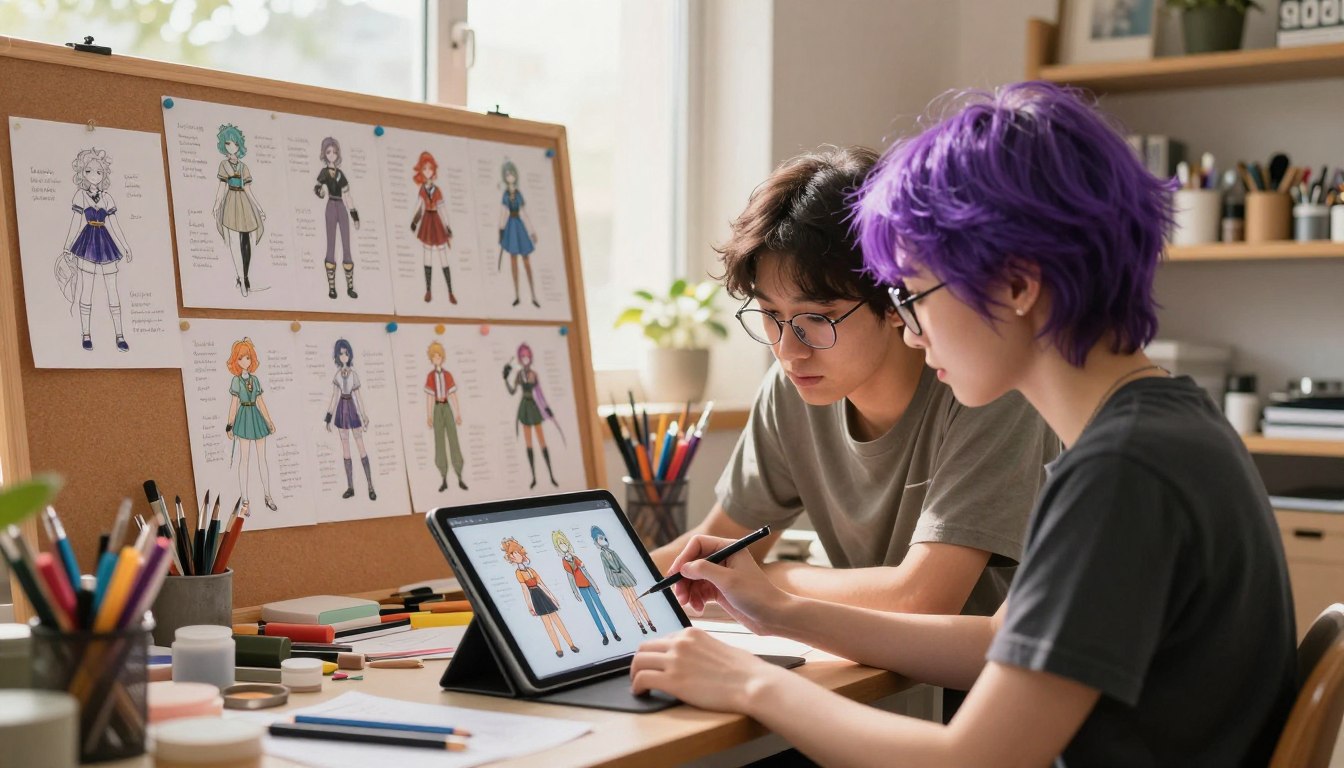
Curious how modern tools let you craft a lifelike futanari character in minutes? You can now design detailed characters that match your fantasies without deep tech skills. Platforms like Deepmode and Futa 3DX make the creation process intuitive and fast.
From body shape to clothing and accessories, you control every detail. These platforms let you save progress, tweak presets, and even produce a short video or static art. The result is immersive content that feels more like a living companion than a flat image.
Modern technology gives you powerful options. Use pose memory and archetypes to keep consistency across scenes, and explore a private site environment to refine your taste over time. Whether you want bold fantasy looks or subtle realism, the tools expand your creative range and improve the overall experience.
Key Takeaways
- You can build a custom futa character with few clicks using specialized platforms.
- Design controls cover proportions, outfits, and unique accessories.
- Pose memory and archetypes ensure consistent, life-like art across creations.
- Platforms support both images and short video output for richer expression.
- The process is private, user-friendly, and rewarding for personal fantasies.
Understanding the Technology Behind Your Futa Waifu Generator
Behind every striking custom character is a mix of image models and language tools working together. These systems translate your prompts into consistent art and video-ready frames. You control style, scene, and mood through simple settings.
Diffusion Models
Diffusion models refine noisy data step by step until clear images emerge. They are the core models that let platforms generate images that match your intent.
Quality depends on training data: more examples mean better, more consistent characters and styles.
Natural Language Processing
NLP tools let the system understand your text prompts and chat inputs. Better prompt parsing yields results closer to your fantasy and desired art style.
Practical tip: tweak prompts and scene settings as you go—these tools learn from your inputs and improve the generation over time.
- Options range from anime to hyper-realistic art and video frames.
- Platforms add new features often, giving users fresh tools and styles.
Getting Started with Character Creation
Begin with a clear text prompt that describes the look and personality you want. Start simple: note hair, body type, outfit, and one trait that defines the character. This helps models match your vision fast.
Try free tiers first. Platforms like Neural.love and PixAI offer no-cost access so you can test tools without signing up. Many sites let you upload reference images to guide the generation and improve quality.
Pick a model that fits the style you want—anime or realistic. The chosen model shapes final art, images, and any short video output. If results miss the mark, you can chat with the system and refine prompts step by step.
- Focus prompts on clear traits and visuals to generate images that match your fantasy.
- Use reference pics to speed alignment with your idea.
- Respect platform guidelines and privacy settings while you create.
These options make character creation fast and easy to use. In minutes, you can build life-like content and explore many styles and options.
Defining Your Ideal Character Archetypes
Define a central trait first; it shapes tone, posture, and visual style across scenes. Start simple: pick whether your character leans bold or gentle. That single choice helps you write prompts that produce consistent images and chat responses.
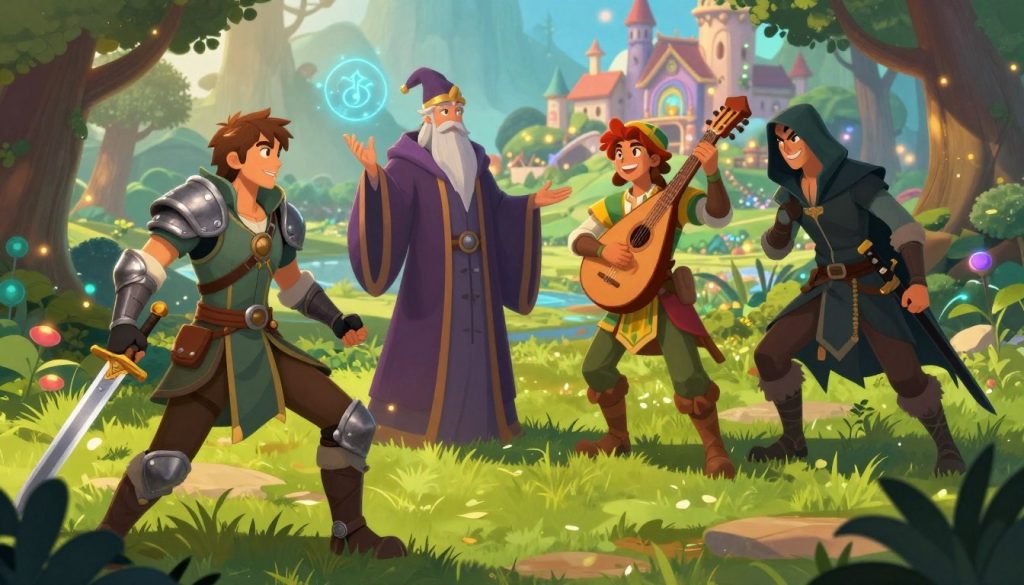
Dominant personalities give your futa character a confident stance and assertive dialogue. Use short, specific prompt lines like “dominant, confident posture, direct voice” to lock that mood into generation.
Shy and Sweet Traits
Shy and sweet archetypes look softer in art and speak more tentatively in chat. Add cues such as “soft gaze” or “timid smile” to your text prompt to tune style and behavior.
Creative Backstories
Give your character a brief backstory to deepen consistency. A simple origin—job, hobby, secret wish—makes future images and chat lines feel coherent.
- Define archetype first to guide all prompts.
- Use clear, active text to signal tone for images and chat.
- Adjust settings like environment and style to match their backstory.
Mastering Pose Memory and Visual Consistency
Keeping body language consistent helps your character feel real across images and short clips. Pose memory locks key poses so your creations keep the same identity from one scene to the next.
Refining Body Language
Small changes matter. Use clear prompts that name the stance, gaze, and hand placement. That helps models reproduce the same pose in different art styles or video frames.
Practice with short tests: tweak settings, then generate a batch of images or a clip to compare body language and quality. Save the best pose as a reference for later generation.
- Mastering pose memory ensures consistent characters across scenes.
- Specific prompts refine motion and make animations feel lifelike.
- Tools on many platforms let models remember your preferred poses.
| Tool | Feature | Benefit |
|---|---|---|
| Pose Recall | Saved keyframes | Stable visual identity across images and video |
| Prompt Presets | Pose descriptors | Faster, repeatable generation of desired stances |
| Style Sync | Art styles templates | Consistent look when switching models or platforms |
When you refine body language, your futa character gains believable motion and stronger presence. Spend a little time on poses and your results will show in both images and video.
Exploring Advanced Customization Features
Advanced customization opens the door to tiny, personal details that make a character feel lived-in. You can add tattoos, scars, freckles, and exact skin tones to match your vision.
Use precise controls to tweak art style, iluminación, and the small marks that create identity. These options improve image quality and help models hold a consistent look.
You can also build short video scenes where characters interact. These clips boost immersion and make roleplay or story scenes feel more real.
- Fine details like markings and skin tone personalize characters.
- Short video animations let characters interact across a scene.
- Multiple art styles and platforms give you more creative options.
- Customized looks enrich the chat and overall experience.
Tip: save presets that combine prompts, poses, and style. This speeds generation and keeps your fantasy consistent across images and video.
Selecting the Right Platform for Your Needs
Look for a platform that balances easy use with the advanced features you need. You should weigh free access, image quality, and how well the site reads your prompts.

Many users start with free sites to test styles and tools. Platforms such as Live3D and Arting.ai offer free, unlimited generation so you can experiment without signing up.
Compare models and results across platforms. Check sample images and short video demos to judge quality. Look for strong prompt support and model options that match your desired art and anime styles.
- Free access: saves time while you refine prompts and character ideas.
- Feature set: video output, pose memory, and fine controls matter for complex content.
- Community feedback: reviews reveal real-world strengths and limits of each site.
Choose a secure platform that respects privacy. That way you can focus on creativity and get consistent results from your chosen tools and models.
Ensuring Privacy and Security While Creating
Protecting your privacy should be the first step when you build characters online. Check a platform’s privacy terms and data policies before you upload images or save chat logs.
“Choose companies that clearly explain how they store and protect your data.”
Trusted platforms use advanced encryption to keep your creation and chat history private. You should favor services that promise not to sell your information and that publish clear retention rules in their terms.
When a site requires sign-up, consider how much personal info it asks for. Many users prefer sites that let you test tools without an account to limit data exposure.
- Read the terms carefully to see how a platform stores content and images.
- Pick platforms with transparent policies and strong encryption.
- Use minimal personal info and enable privacy settings where possible.
By choosing secure sites and smart practices, you keep your fantasies and character generation safe and enjoy the creative experience without worry.
Future Trends in AI Character Generation
Tomorrow’s AI will fuse sight, sound, and touch for far deeper character interactions. That shift will push art and video beyond flat frames and into immersive spaces you can explore.
Expect VR and AR integration to make encounters feel more present. Haptic devices will add physical feedback so scenes engage your senses and your mind. These advances will blur lines between generated images and real life.
Developers are also improving emotional depth. Better models will make chat feel natural, and features will let characters respond to your moods and preferences in real time.
Video generation will become faster and more accessible. That means higher-quality clips and interactive content from the same platform you already use.
- Hyper-realistic outputs will challenge how you view art and reality.
- Immersive tech will deepen the experience of personal fantasy.
- Ongoing innovation keeps platforms at the cutting edge of this technology.
Conclusion
Wrap up your character work by locking in poses, style presets, and account protections. This final step makes future edits faster and keeps your visual identity steady across projects. Use saved presets to reproduce looks and motion quickly.
Pick platforms that match your needs for quality and privacy. Test short sessions of chat and image generation to confirm tone and consistency before you commit to longer projects.
Always review the site terms and data rules. That helps you control what the service stores and how your creations are used. With the right setup, you can explore static art or interactive chat confidently and securely.
FAQ
What can you build with the custom archetype and pose memory tools?
You can create fully personalized anime-style characters with consistent poses, distinct personalities, and detailed appearance settings. The tools let you save pose references, reuse character traits, and combine visual styles to keep your creations coherent across images and short videos.
How do diffusion models affect image quality?
Diffusion models control how realistic and detailed your images become. They iteratively refine noise into clean outputs, which improves texture, iluminación, and anatomy. Higher-quality checkpoints and larger models generally deliver better results, though they may require more processing power.
How does natural language processing help with prompts?
NLP interprets your text prompts to map intent to visual elements. It recognizes style cues, mood descriptors, and character traits, then translates them into model-understandable tokens. Claro, specific prompts yield more accurate outputs and reduce the need for repeated edits.
What is the fastest way to get started creating a character?
Start with a preset archetype, set the core traits (hair, eyes, outfit, and temperament), and pick a saved pose. Use short, specific prompts and one or two reference images to guide the system. Iterate by tweaking attributes and saving versions as you improve the design.
How do you define effective character archetypes?
Focus on a few defining traits—dominant personality, key mannerisms, and signature visual details. Keep descriptions concise and prioritize elements that will remain consistent, such as a unique color scheme or recurring accessory. This helps maintain identity across scenes.
What tips help craft dominant or assertive personalities?
Use strong, active descriptors (confident, commanding, direct) and pair them with bold visual cues like posture, facial expression, and clothing. Save these traits in the archetype so pose memory and later renders reflect that energy reliably.
How do you build shy or sweet character traits effectively?
Choose softer language (timid, gentle, reserved) and match it with subtle visual signals—downcast eyes, inward poses, pastel palettes. Keep prompts focused on micro-expressions and gestures that convey vulnerability, and lock those into the character profile.
What makes a compelling backstory for your character?
Create concise, emotionally resonant details that explain motivations and quirks. A few unique hooks—hometown, secret skill, or personal goal—give the character depth and guide artistic choices in poses, outfits, and facial expressions.
How does pose memory improve visual consistency?
Pose memory stores skeletal positions, limb placement, and weight distribution so subsequent images maintain the same body language. This prevents awkward anatomical shifts and helps when you want the character to appear identical across multiple scenes or animations.
What techniques refine body language across renders?
Use reference frames, lock joint rotations, and prioritize a small set of canonical poses. Annotate subtle weight shifts and hand positions in your notes. When you iterate, compare renders side-by-side to maintain consistent silhouettes and gestures.
What advanced customization features should you explore?
Look for layer-based editors, texture overrides, dynamic lighting controls, and batch rendering. These let you fine-tune fabric, skin shaders, and environment effects while keeping your archetype intact for rapid scene changes.
How do you choose the right platform for creating characters?
Evaluate platforms by model quality, export options, ease of use, and community support. Prioritize services offering pose memory, prompt history, and local or private processing if you value speed and privacy. Check reviews and sample galleries before committing.
How can you protect privacy and security while creating characters?
Use platforms that provide clear terms of service, strong encryption, and options for local model execution. Avoid uploading sensitive reference photos, enable two-factor authentication, and review data retention policies to control how your content is stored and shared.
What future trends should you expect in AI character creation?
Expect better real-time rendering, improved pose transfer between media, more natural language control, and tighter integration with animation toolchains. Models will become more efficient, offering higher fidelity on consumer hardware and more nuanced personality synthesis.